
India’s strawberry crop
India’s strawberry crop, documented properly.
Cultivation economics, variety performance, disease and how this market actually prices — for the crop wherever it is grown in India. Plus direct supply from the growers we work with.

- National crop 2024–25
- 26,930 tonnes
- From Maharashtra
- 85 per cent
- Grower families
- ~5,000
- Harvest window
- Nov – Mar
Supply
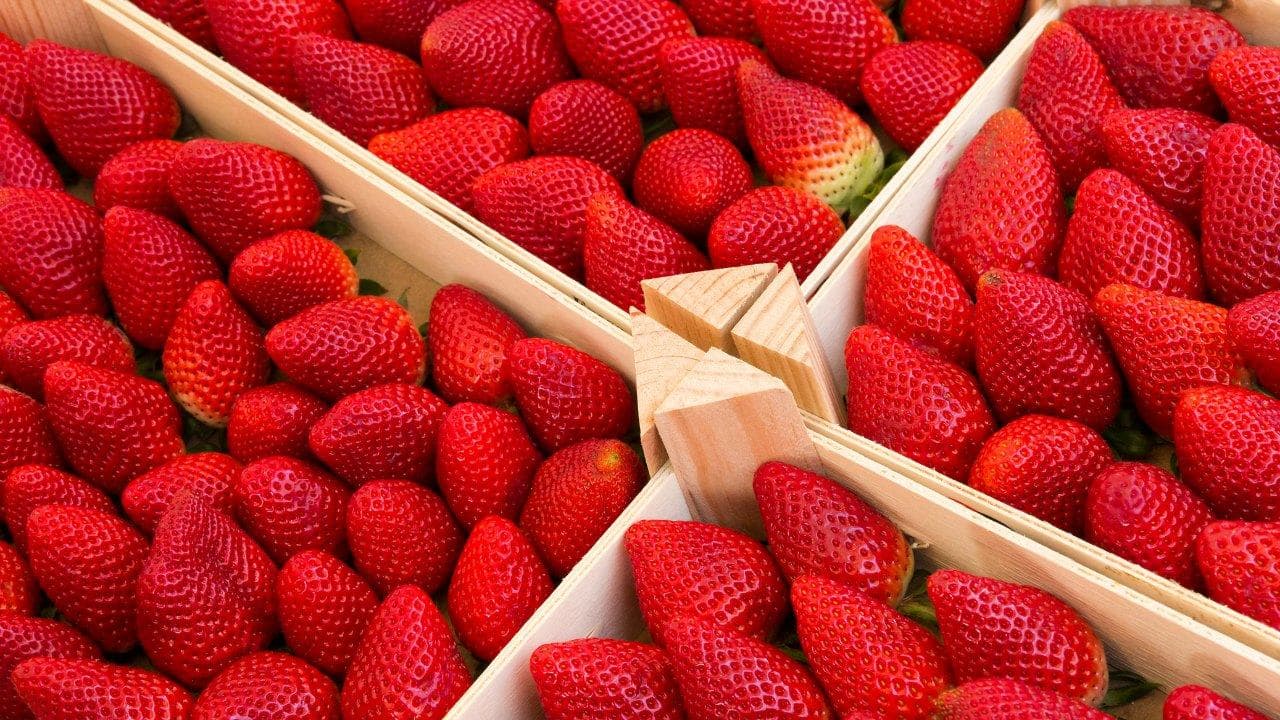
Buying strawberries in volume?
We work with growers across India’s strawberry regions. Grade, quantity and price all move through the season, so tell us what you actually need and we’ll come back with a straight answer.
- Origin
- Across India's strawberry-growing regions
- Season
- November to March, peaking December to February
- Off-season
- Frozen and pulp, subject to availability
Season
When Indian strawberries are actually available
The Deccan crop is short and sharp. Plan procurement around the peak rather than the shoulders — by March the belt is finishing.
- Sep
- Nursery
- Oct
- Transplant
- Nov
- First pick
- Dec
- Peak
- Jan
- Peak
- Feb–Mar
- Tapering
Varieties
What actually grows here
Ten cultivars are reported in Indian production. Chill requirement is the deciding factor — most European and Japanese varieties simply will not set fruit through an Indian winter.

Camarosa
The workhorse of the belt. Firm, dark and travels well, which makes it the default wherever fruit has to survive a night in transit.
Most planted
Sweet Charlie
Early and strongly aromatic with softer flesh. Sells locally while it is the only fruit on the market, then moves into pulp.
Early
Winter Dawn
Low chill requirement and high sugar. Gaining ground across the Panchgani plateau for exactly that reason.
Low chill
Nabila
Large-fruited and uniform. Favoured wherever fruit is sold by count rather than by weight, which covers most gifting and hamper trade.
Large fruitedChandler
The cultivar that established commercial strawberry growing in much of India, and still planted widely three decades on.
The old standard
Strawberry Festival
A Florida release that does the unusual thing of holding flavour and firmness at once. Grown across the Panchgani plateau.
Firm and flavoured
Rania
Nabila's sister selection, and the higher yielder of the two. Also reported in the Mahabaleshwar belt.
Highest yielding
Selva
Fruits about three months after planting, whenever you plant it. A different proposition from everything else on this list.
Day-neutral
Seascape
Selva's offspring, and a better one: same day-neutral flexibility with high flavour, large fruit and firmness.
Day-neutral
Ofra
An Israeli variety bred to flower months earlier than anything else. The extreme end of the early-season argument.
EarliestEconomics
The only official cost model for this crop is out of date
The National Horticulture Board publishes the sole government cost-and-returns model for Indian strawberry. It is genuinely useful, and its planting-material line has not been achievable for years.
- Plants per acre
- 22,000
- Spacing
- 30 cm × 30 cm
- Planting material
- ₹2,00,000 at ₹8 per plant
- Total project cost
- ₹4,00,000
- Model yield
- 8 tonnes per acre
- Gross return
- ₹3.20 lakh
- Gross profit
- ₹1,84,700
- Payback
- 2.31 years
No grower has bought runners at ₹8 per plant in a long time, which is why the model’s returns read optimistically today — we work through what changes.
Growing
Everything a grower asks first
The numbers nobody publishes straight, worked through for Indian conditions and Indian input prices.
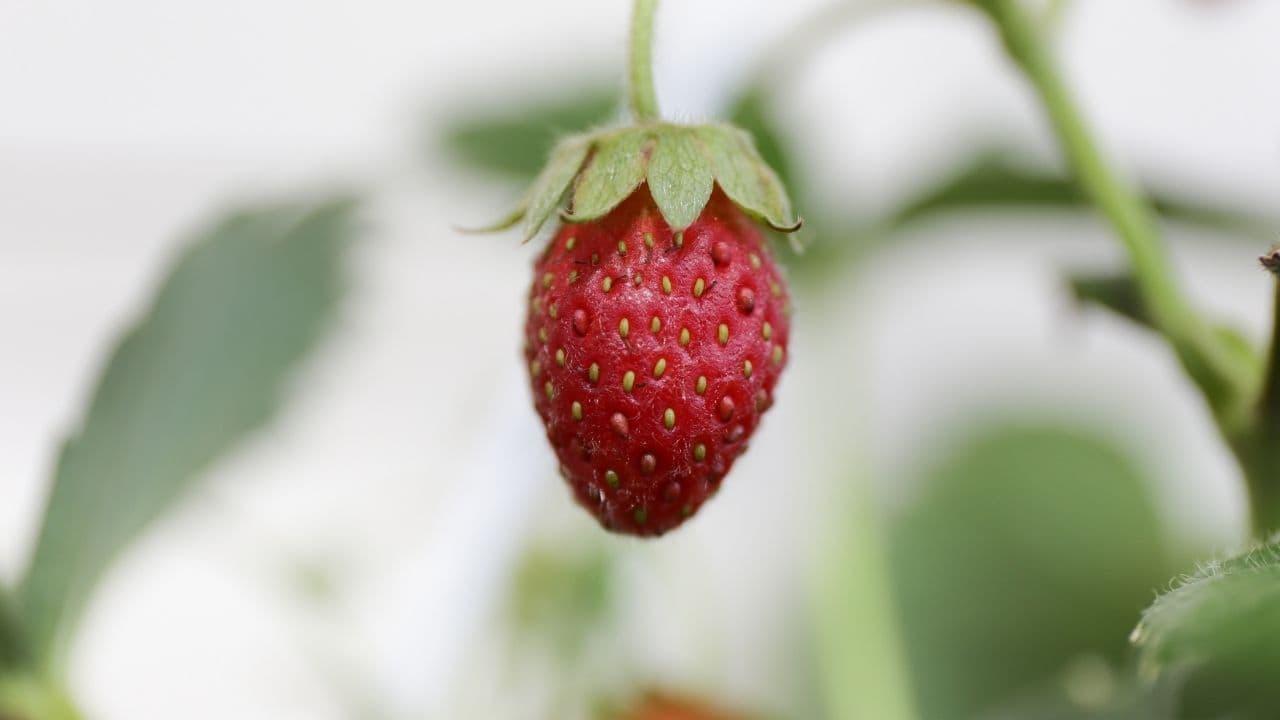
Where strawberries are grown in India
One plateau in Satara district grows about 85% of the national crop. Here is what the other 15% is, why the map is spreading, and why you will not find a state-by-state production table on this page.
4 min read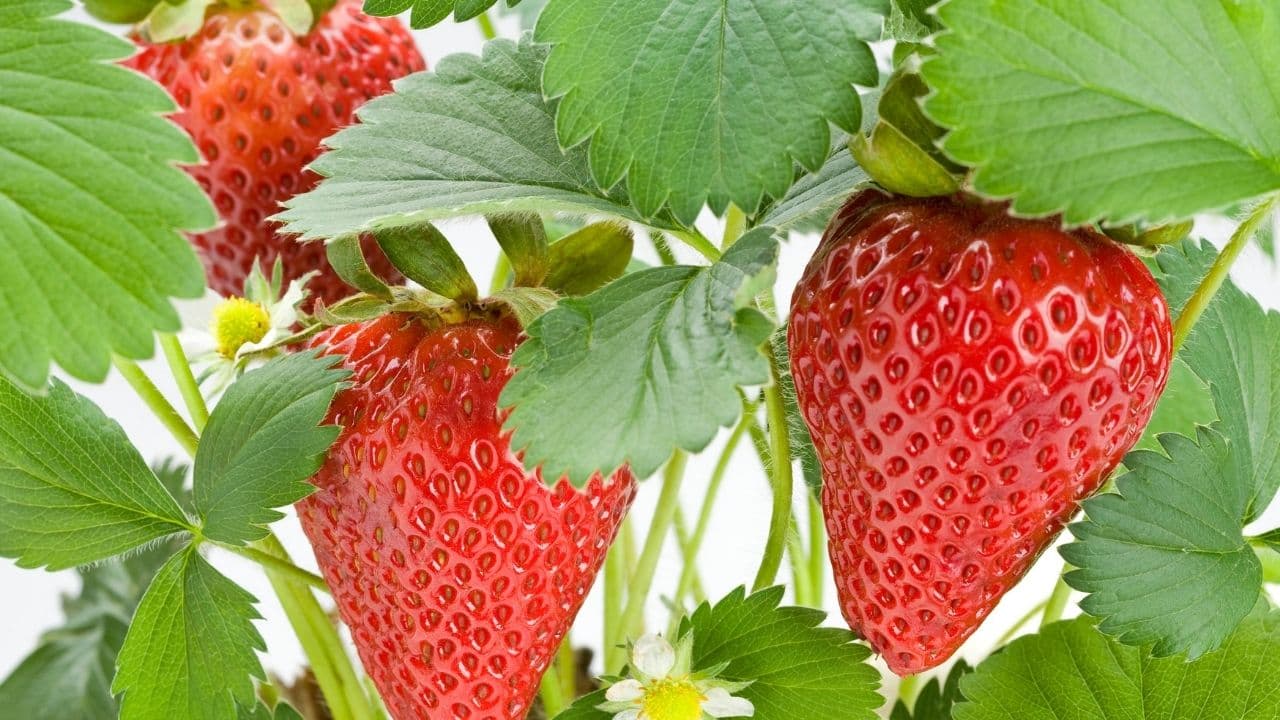
Winter Dawn strawberry seeds will not grow Winter Dawn
The packets are real, the seeds inside them are real, and the plants they produce will not be the variety on the label. What is actually being sold, the one strawberry that does come true from seed, and what to buy instead.
4 min read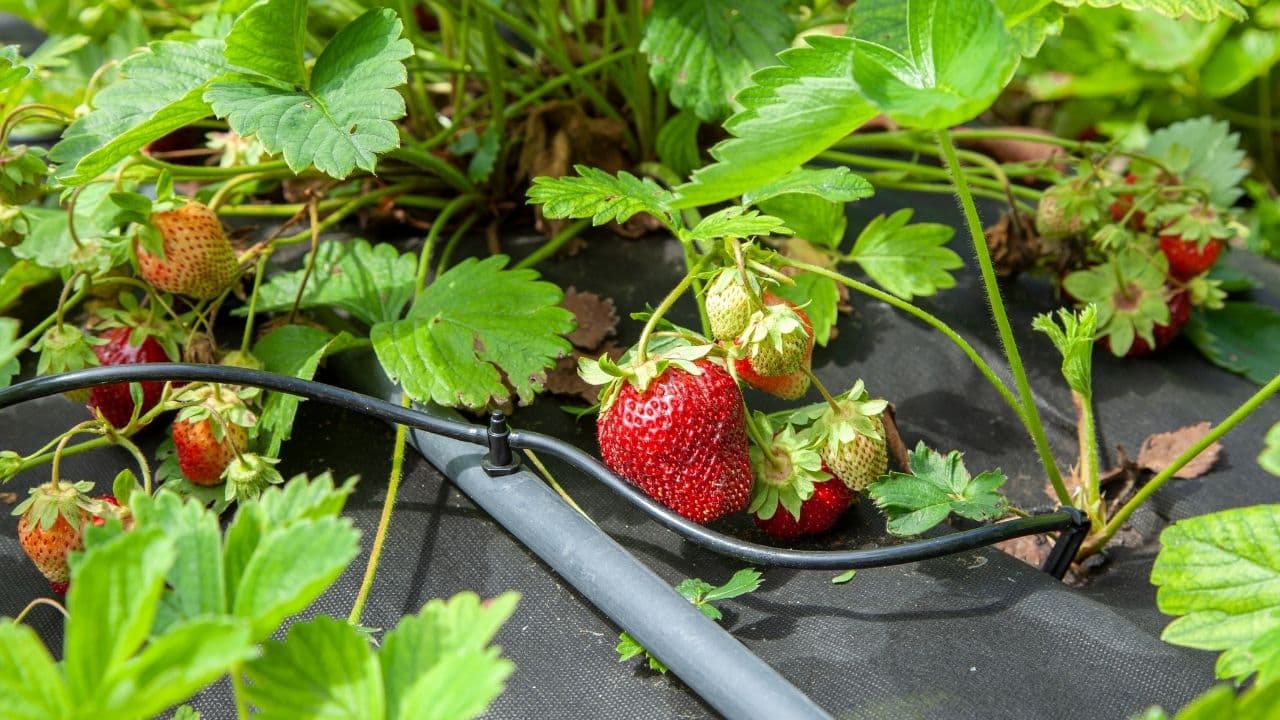
Stressing your strawberry crop for sweeter fruit costs half the yield
Holding back water does raise °Brix — by around a quarter. It also halves marketable yield and shrinks every berry on the plant. Here is the arithmetic, and why the trade rarely pays in an Indian market.
5 min readTalk to us this week.
Volumes are committed early in the season. If you need fruit between November and March, the conversation starts now.