
Diagnose
Strawberry diseases: start with what you can see
Nobody searches for “plant problems” — they search for the thing in front of them. Find the symptom, then read the organism behind it.
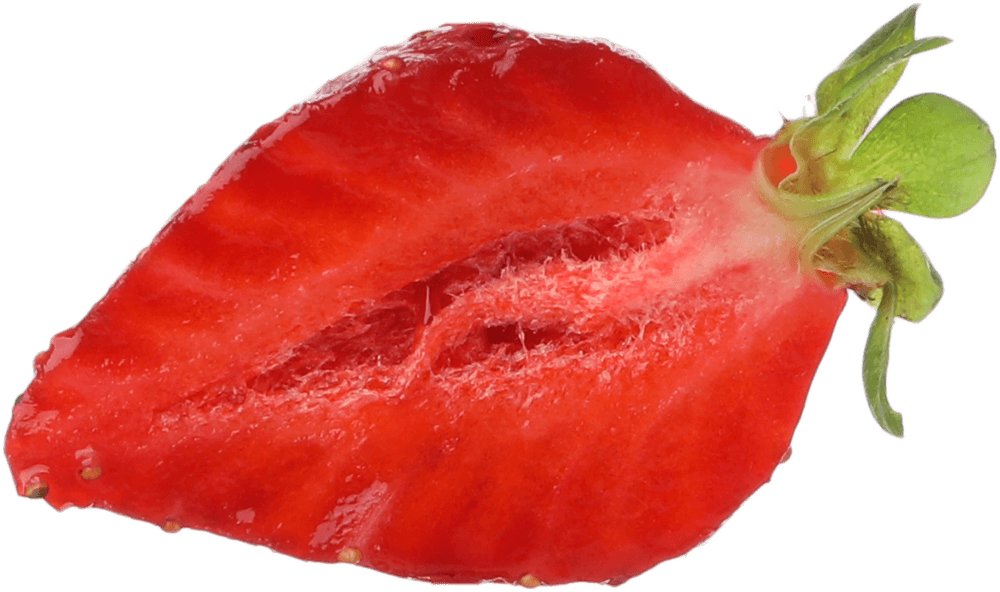
- Purple or brown spots on leavesCommon leaf spotLeaf scorch
- Leaves look scorched and curl at the marginsLeaf scorchTwo-spotted spider mite
- White powder on leaf undersides, leaves curling upPowdery mildew
- Leaves pale, stippled or bronzed; fine webbingTwo-spotted spider mite
- Fruit rotting with grey fuzzy growthGrey mould
- Sunken dark lesions on green or ripe fruitAnthracnose
- Ripe fruit looks seedy and dullPowdery mildew
- Plants wilting and collapsing; crown red insidePhytophthora crown rot
- Weak plants, small berries; root core redRed stele
- Older leaves dying back, crown browningFusarium wiltPhytophthora crown rot
Reference
The organisms
Nine that matter wherever strawberry is grown in India. Symptoms and biology are taken from extension and IPM publications and cited on every page.
Fungal disease
Grey mould
Botrytis cinerea
The classic fruit rot. Infects at flowering, then shows up on the berry — often after picking, in the buyer's hands rather than yours.
Fungal disease
Anthracnose
Colletotrichum spp.
Warm-weather fruit rot, and the reason several of the cultivars grown here were bred in the first place.
Fungal disease
Powdery mildew
Podosphaera aphanis
Starts underneath the leaf where nobody looks, and ends up on the fruit where everybody does.
Mite
Two-spotted spider mite
Tetranychus urticae
The pest most likely to cost you a season here, and the one most often brought in on your own planting material.
Fungal disease
Common leaf spot
Mycosphaerella fragariae
The one with the white centre. Widely reported and widely over-treated — on an established crop it is often cosmetic.
Fungal disease
Leaf scorch
Diplocarpon earlianum
Looks like common leaf spot early on, and is routinely mistaken for it. The difference is the centre of the spot.
Oomycete disease
Phytophthora crown rot
Phytophthora cactorum
Plants wilt and collapse. Cut the crown open and you have your answer in seconds.
Oomycete disease
Red stele
Phytophthora fragariae
A root disease that shows as a vague lack of vigour above ground. The name comes from what you find when you slice a root.
Fungal disease
Fusarium wilt
Fusarium oxysporum f.sp. fragariae
Soil-borne wilt. Symptoms overlap heavily with Phytophthora crown rot, and the two get confused constantly.
On chemicals
We publish strategy, not prescriptions
You will not find product names, doses or spray intervals on these pages. Registrations differ by country and change over time, and a wrong pesticide recommendation costs a grower a crop and risks the person applying it.
What is safe to publish is how to think about a programme — when in the season to target each organism, why multi-site products belong at the base of it, and why rotating modes of action matters more for Botrytis and spider mite than for anything else you will spray. For the actual product, work from a CIB&RC-registered label and your local advisory.
Lost a crop to one of these?
We buy graded fruit from growers across India. If your season went wrong, tell us what you have and we’ll tell you what it can be sold as.