
Planting
3 min read
Runner sourcing and the planting window
Planting material is the largest line in the budget and the planting fortnight decides the season. Where Indian growers get runners, and what to check before accepting a delivery.
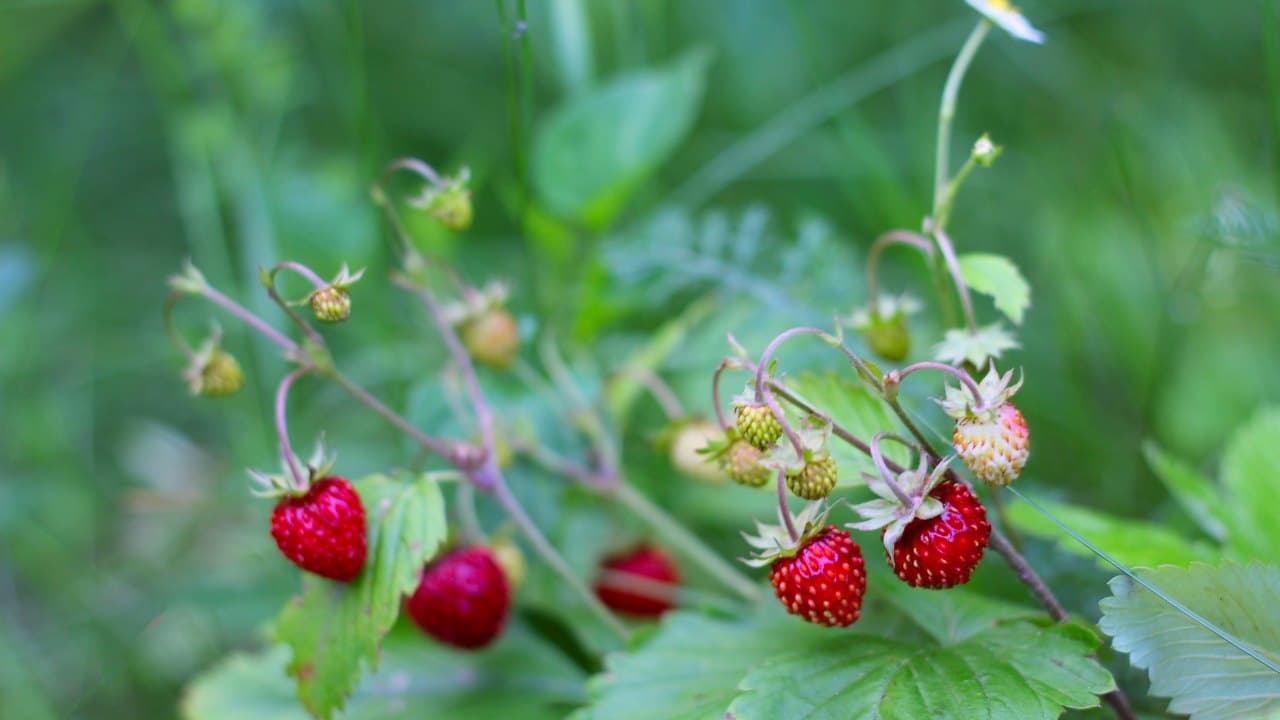
Strawberry is propagated from runners, not seed. Anyone selling "strawberry seeds" for commercial planting is selling you a fifteen-month detour and a genetically variable crop.
So every season starts with the same two questions: where do the runners come from, and are they clean? Both matter more than almost anything you will do later, because planting material is the single largest cost in the budget — the National Horticulture Board's model puts it at half the total project cost, at 22,000 plants to the acre.
The three sources
Himachal and Kashmir nurseries. The bulk of Indian planting material comes down from high-altitude nurseries, where plants get the chilling they need to run. Quality varies enormously between nurseries, and the good ones are booked months ahead.
Imported plugs. Mostly from Spain and the Netherlands. You get certified, virus-indexed material with predictable performance, at a significant premium once duty and freight are in. For a grower selling into export or modern trade, the consistency often justifies it. For a mandi seller it frequently does not.
Your own runners. Cheapest by a wide margin and tempting after a good season. Each mother plant throws roughly 8–15 usable runners. The catch is that virus load accumulates silently across generations — the crop looks fine in year two, noticeably weaker in year three, and by year four you are wondering why your yield halved. Refresh from certified stock every second season at minimum.
On price: NHB's model assumes ₹8 a plant, and that figure is well out of date. Current rates depend on source, variety and how early you book, so get written quotations rather than planning against a published number. At 22,000 plants an acre, every rupee of difference moves your budget by ₹22,000 — this is the line worth spending a week negotiating.
The planting window is narrower than people think
NHB gives the window for hilly areas as September–October, and in practice growers in the Deccan belt work to a narrower band than that within it.
Plant early, into soil still holding monsoon warmth, and the plant runs to leaf instead of flower — a lot of canopy, disappointing fruit. Plant late and the plant has not built enough frame before the cool nights arrive, so it flowers on a small structure and the berries never size up.
Neither mistake is recoverable later. No fertigation programme buys back a fortnight.
What to check before you accept a delivery
Ten minutes on the tailgate is the cheapest quality control available all season.
- Crown diameter. Roughly 8–12 mm. Thinner crowns establish slowly and flower late; much thicker often means the plant sat too long in the nursery.
- Root colour. White to cream, and springy. Brown, brittle roots mean the batch dried out in transit, and those plants will sulk for a month.
- Leaf count. Two to three healthy leaves. Strip anything damaged before planting rather than after.
- Mites. Turn ten plants over and check the leaf undersides with a hand lens. Importing two-spotted mite with your planting material is the most expensive mistake available at this stage, and it is entirely avoidable right here.
An ordering rhythm that works
Book months ahead of a September transplant. Nurseries allocate their best material to repeat buyers first, and growers who ring late get whatever is left — which is precisely the stock that has been standing longest.
If you are planting more than an acre, split the order across two nurseries. It costs a little in coordination, and it means a single bad batch cannot take out your entire season.