
Postharvest
The hour after picking decides the grade
Everything the crop earned in the field can be lost between the plant and the pack-house. Strawberry is unusually unforgiving about this, and the losses are invisible until someone opens the box.
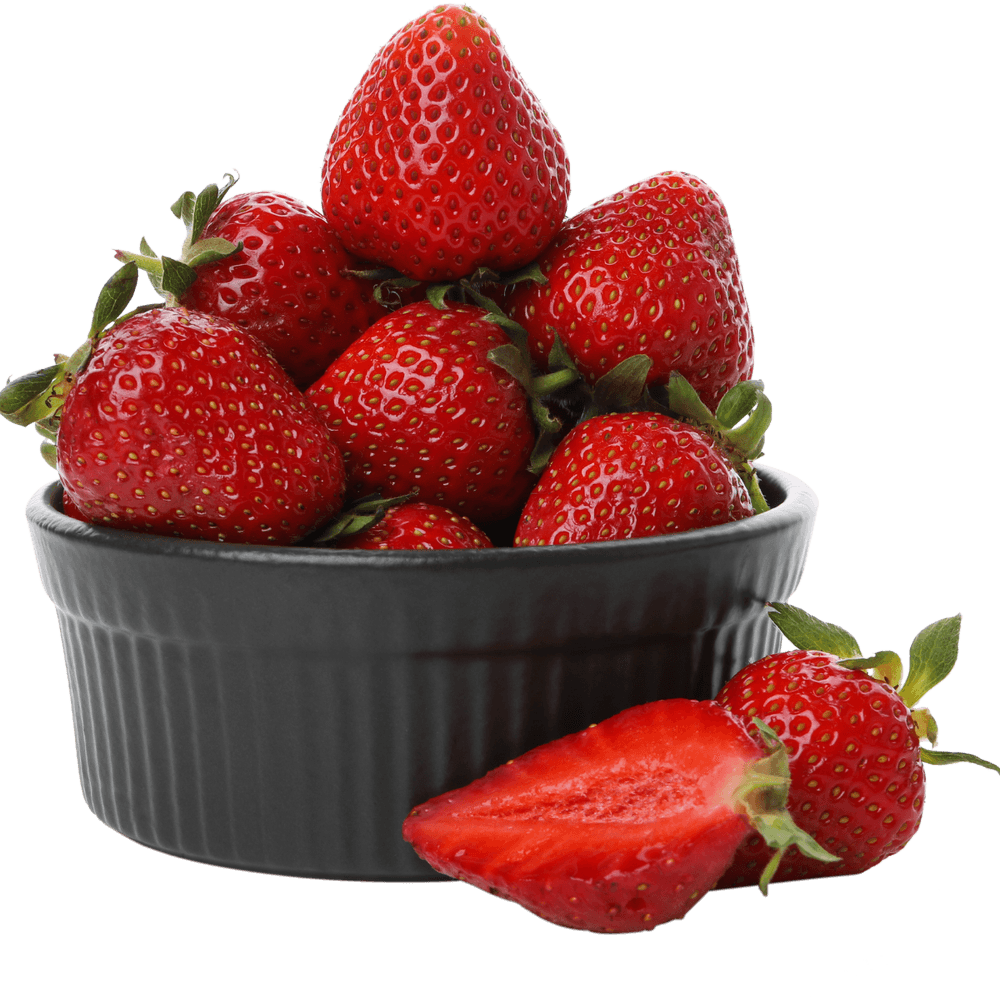
Two numbers frame the whole subject. Storage life is 5 to 7 days, and delays beyond one hour before cooling measurably reduce the share of fruit that stays saleable. Almost every postharvest decision is really a decision about which end of those ranges you land on.
The chain
Five steps, in order, none optional
Each one is cheap on its own. The cost of skipping any of them lands on somebody else’s loading dock, days later, as a grade you don’t get paid for.
- 01
Pick cool, and pick into the final pack
Harvest early while field heat is low. Field-grade straight into the punnet the fruit will ship in — every extra handling is another bruise, and bruised fruit is where rot starts.
- 02
Cool within the hour
Delays beyond one hour reduce the share of marketable fruit. This is the single highest-return hour in the whole chain, and the one most often lost to waiting for a full load.
- 03
Force air through it, do not just chill the room
Forced-air pre-cooling pulls heat out of fruit in the centre of a pallet, not just off the surface. Room cooling alone leaves the middle of a stack warm for hours.
- 04
Hold at 0–2 °C and 90–95% humidity
Cold slows respiration and fungal growth; humidity stops dehydration and softening. Getting the temperature right and the humidity wrong still costs you weight and firmness.
- 05
Do not break the chain
Every warm interval is cumulative and none of it is recoverable. A consignment that is cooled properly then sits on a loading dock in the sun has been cooled for nothing.
Conditions
The numbers to hold to
Published targets, from postharvest research rather than from custom.
- Time to cooling
- Within the hour
- Storage temperature
- 0–2 °C
- Relative humidity
- 90–95%
- Storage life
- 5–7 days
- Cooling method
- Forced air
- Modified atmosphere
- 10–15% CO₂
Modified atmosphere at 10–15% carbon dioxide suppresses Botrytis cinerea and lowers respiration. It extends life beyond what temperature alone can do — but it is an addition to a working cold chain, never a substitute for one.
Why this matters more here than elsewhere
Most of the Indian crop is grown in hills and sold in cities several hours away. That journey is the whole problem: fruit that leaves the field warm arrives a grade down, and the grade is where a grower’s realisation actually lives.
It also explains a choice that looks odd from outside. Growers plant Camarosa heavily, a cultivar bred for firmness and shipping rather than flavour, because a firm berry survives a cold chain that is imperfect. Where the chain is good, softer and better-tasting cultivars like Sweet Charlie become possible. Postharvest capability quietly decides what you are able to grow.
The corollary is worth stating plainly: investment in cooling returns more than investment in yield, because it protects fruit you have already paid to produce.
Fruit that has been handled properly?
That is most of what we look for. Tell us what you have and how it was cooled.