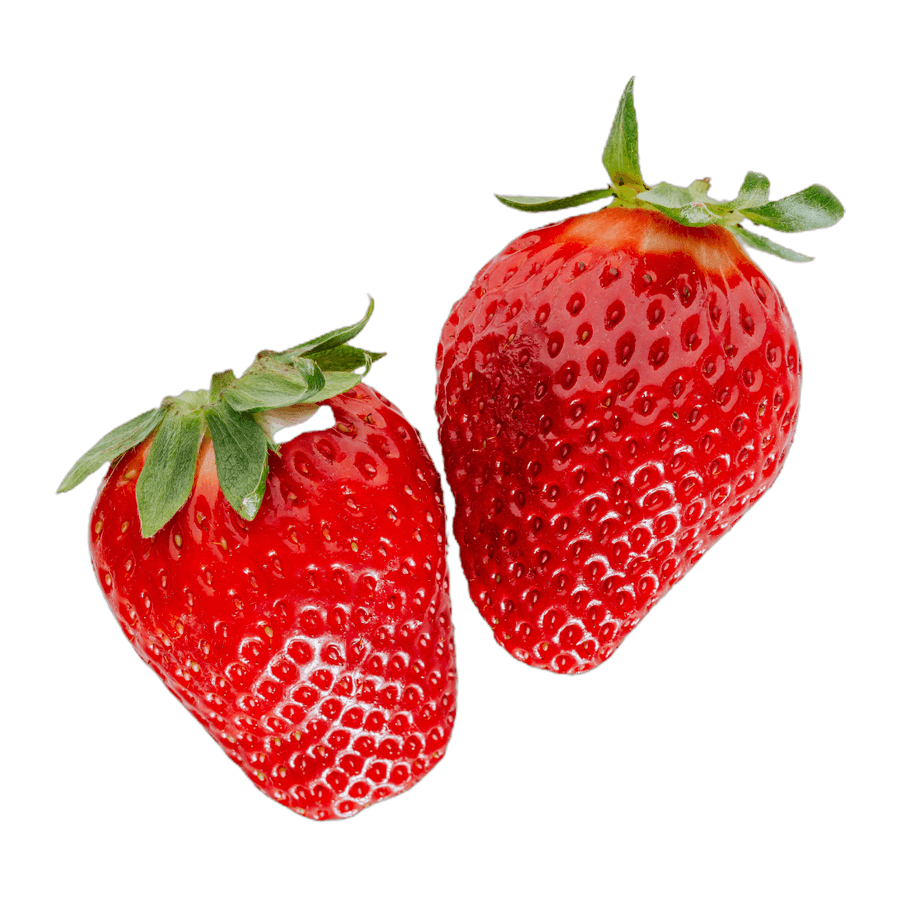
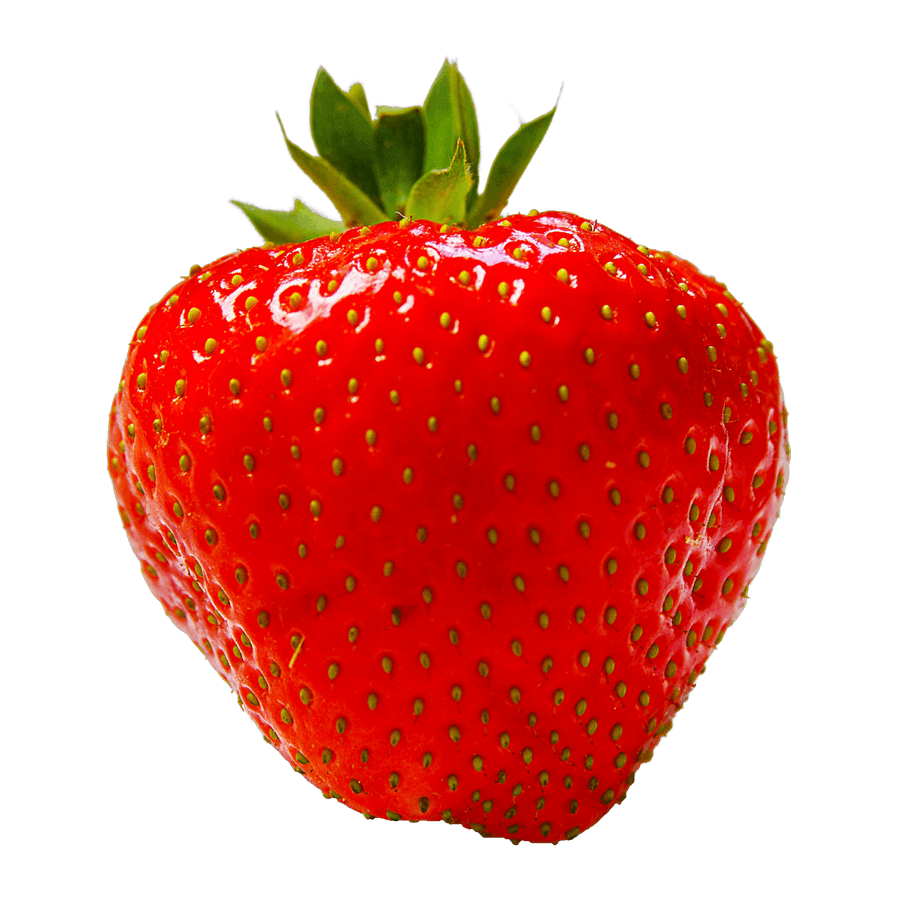
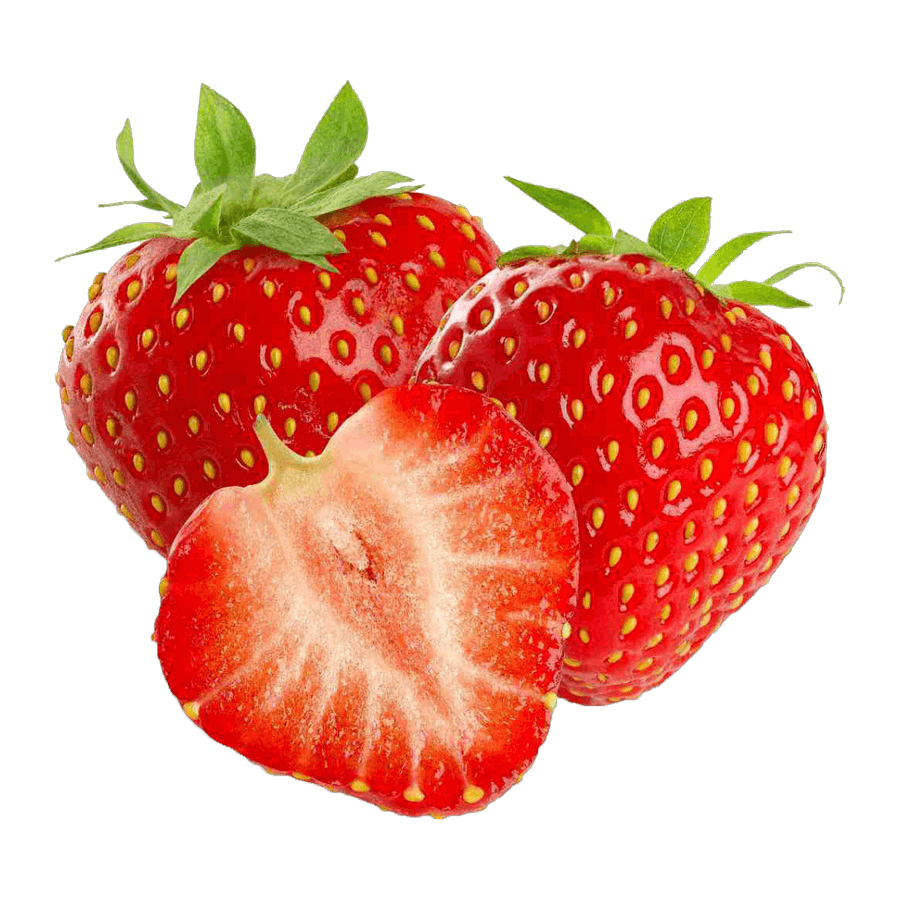
Camarosa
A Californian short-day cultivar bred for yield and shipping rather than flavour — which is exactly why it dominates a crop that has to reach a city market intact.
Most planted
At a glance
- Bred by
- University of California (Davis programme)
- Parentage
- ‘Douglas’ × Cal 85.218-605, crossed 1988
- First fruited
- South Coast REC, Irvine, 1989
- Released
- 1994 · US Plant Patent PP8708
- Flowering type
- Short-day
- Fruit
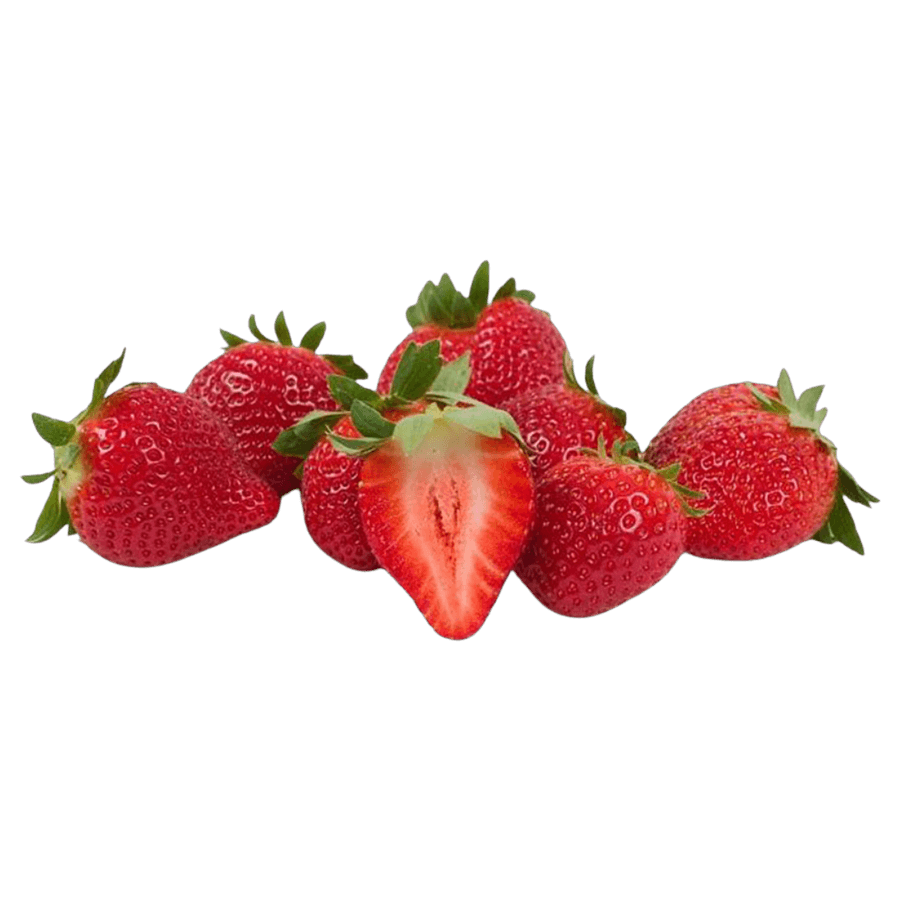
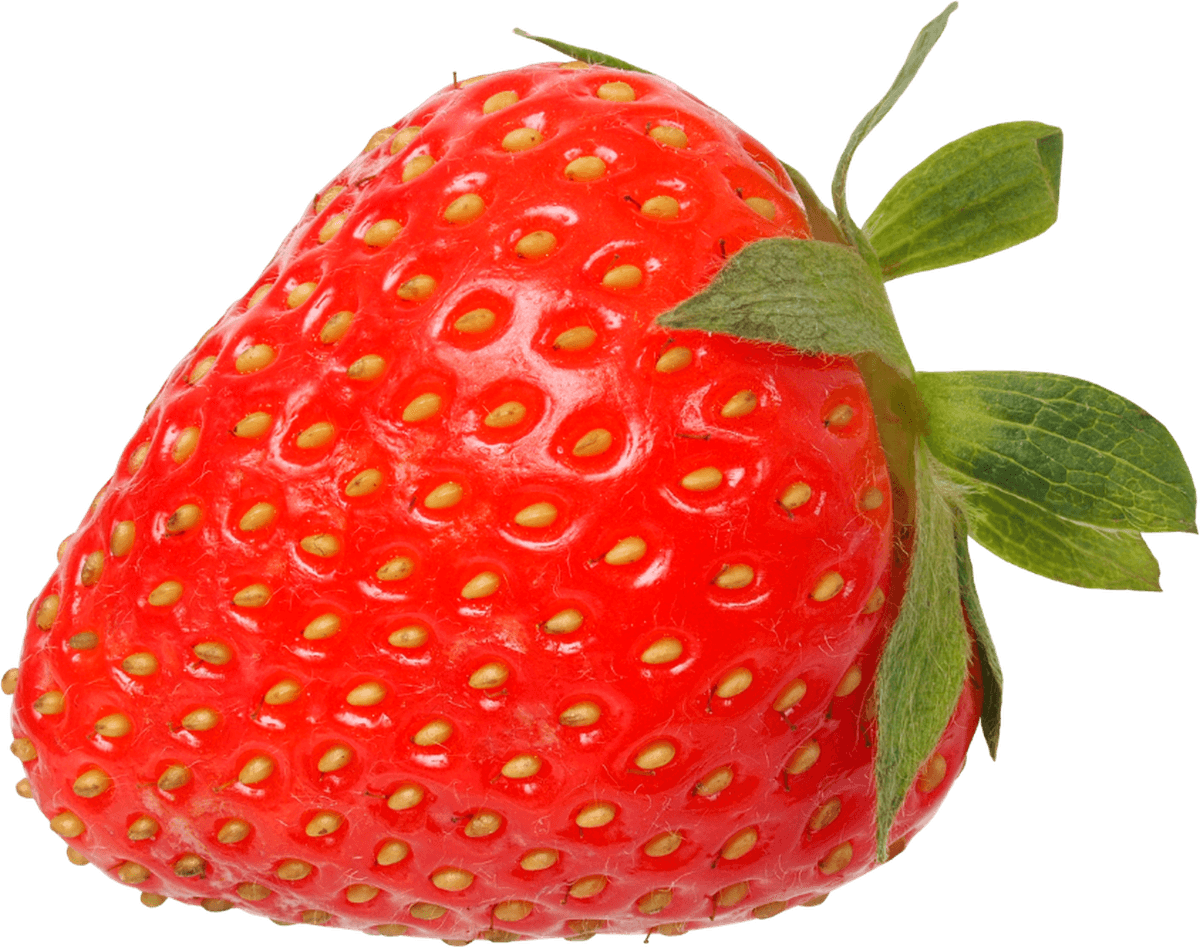
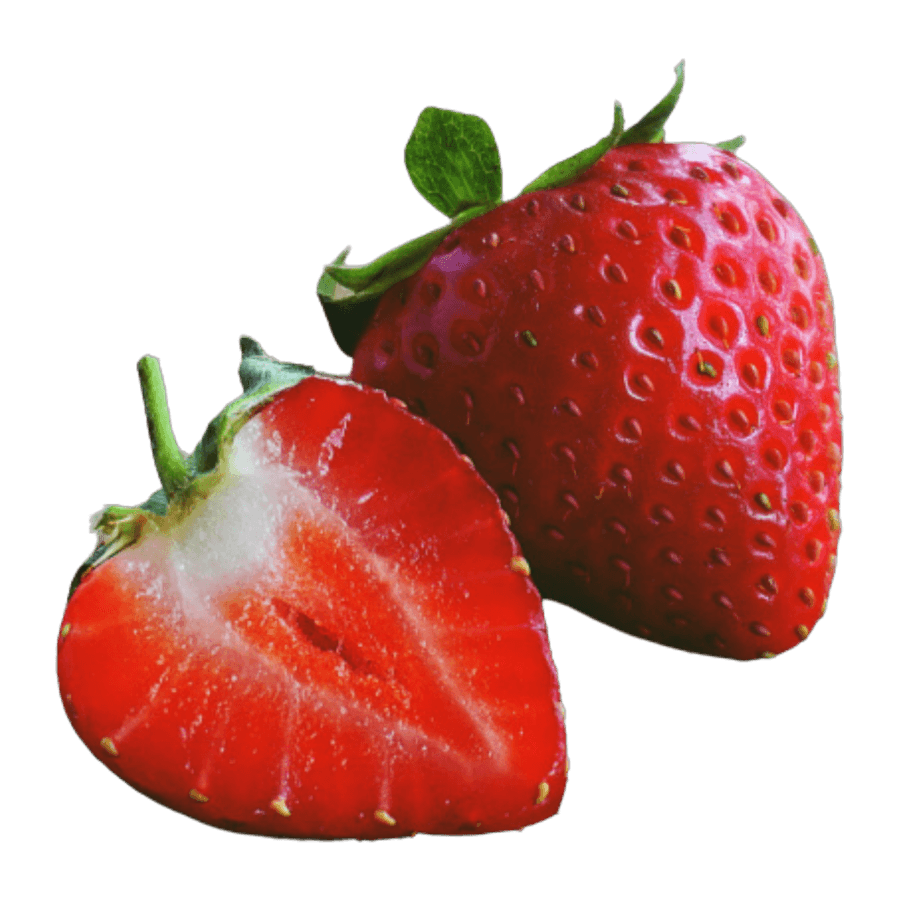
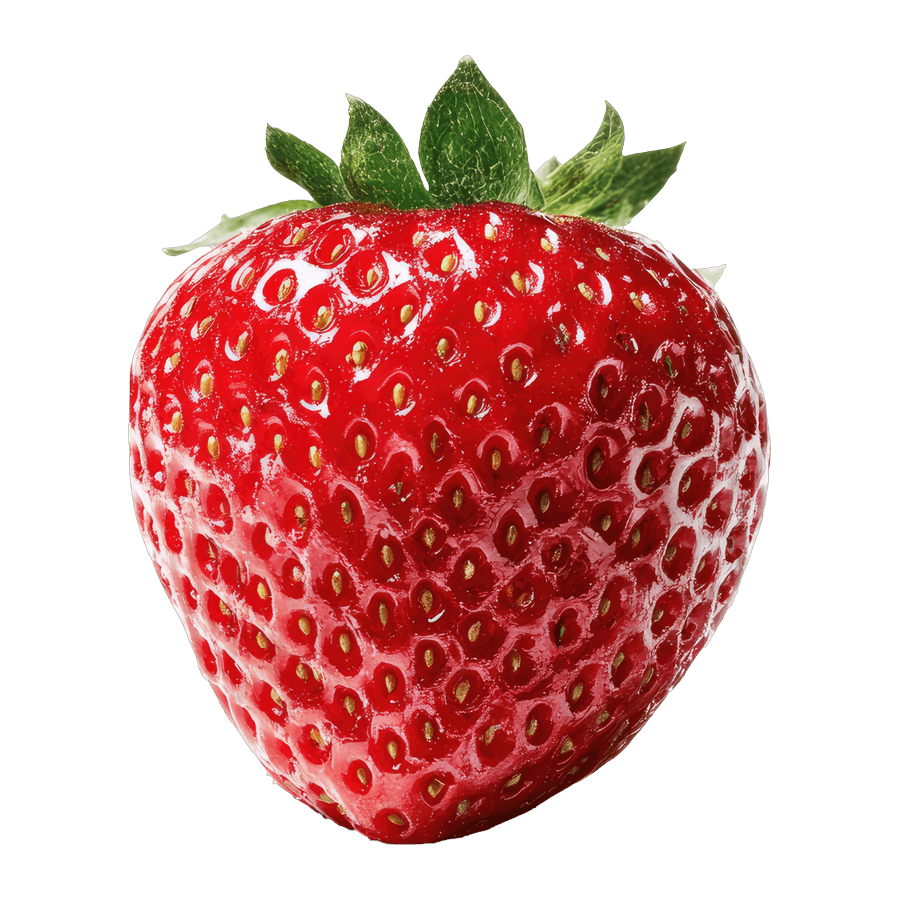
- Large, firm, deep red
- Against its parent
- Substantially higher yield and firmer fruit than ‘Douglas’
Where it came from
Camarosa was made at the University of California in 1988, from a cross of the cultivar ‘Douglas’ with the advanced selection Cal 85.218-605. It first fruited at the South Coast Research and Extension Center near Irvine in 1989 under the designation Cal 88.24-603, and was released in 1994.
Its arrival marked a shift in what strawberry breeding was optimising for. Where earlier releases chased eating quality, Camarosa was selected for yield, firmness and the ability to survive long-distance shipping — the traits a commercial supply chain actually pays for.
How it behaves
It is a short-day type, so it flowers as day length shortens and temperatures fall. In arid and subtropical climates, handled correctly, it fruits over an extended period rather than in one concentrated flush.
Against ‘Douglas’, its seed parent, the University reports substantially greater yield and greater fruit firmness. That firmness is the whole point: it is what lets fruit be picked, graded, cooled and moved without turning to pulp on the way.
In the Indian belt
Camarosa is the default across the Mahabaleshwar–Panchgani belt, and the reason is logistics rather than taste. Fruit leaving the plateau has to reach Pune or Mumbai in saleable condition, and a firm berry survives that journey where a soft one does not.
If you are selling into retail, modern trade or export, this is the safe choice. If you are selling at the farm gate to visitors who eat the fruit the same day, you are paying for firmness you do not need — and giving up flavour to get it.
Other varieties