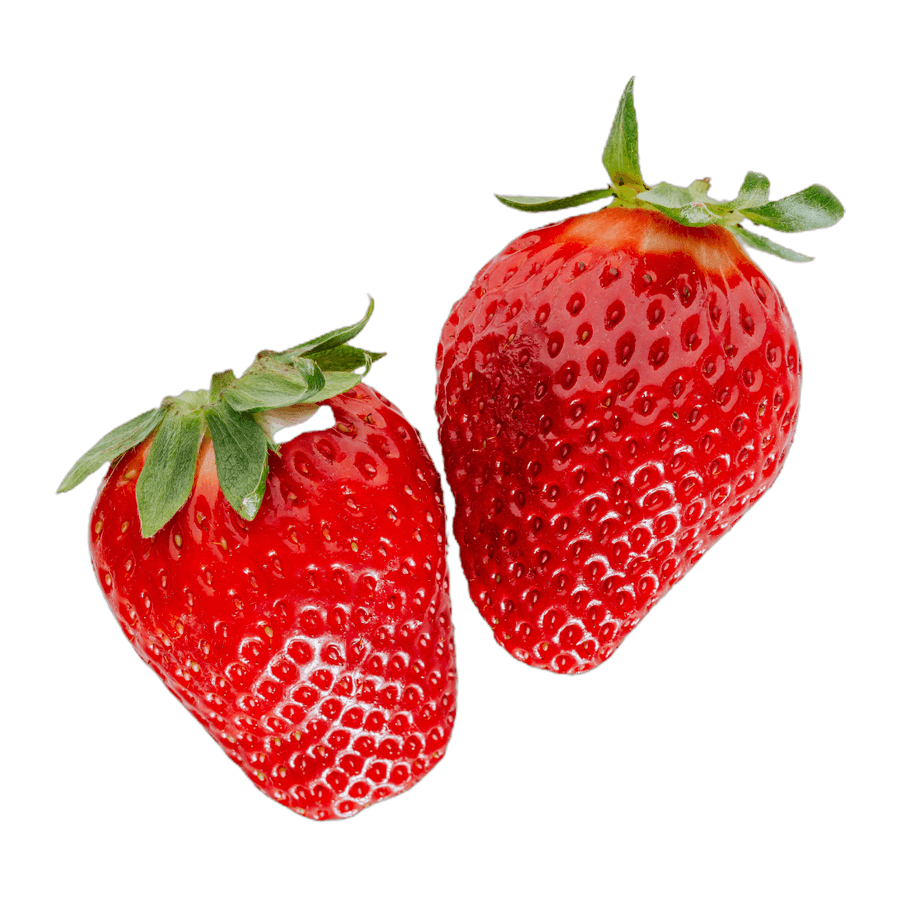
Sweet Charlie
A Florida release bred for anthracnose resistance and eating quality. It arrives early and tastes better than Camarosa — and it will not survive the same journey.
Early
At a glance
- Bred by
- University of Florida, Dover
- Parentage
- FL 80-456 × ‘Pajaro’
- Released
- 1992 · US Plant Patent PP8729
- Flowering type
- Short-day, low chill
- Season
- Early; strong December–February production
- Fruit
- High sugar, high vitamin C, lower acidity than ‘Selva’ or ‘Oso Grande’
- Disease
- High resistance to anthracnose (Colletotrichum)
Where it came from
Sweet Charlie came out of the University of Florida's programme at Dover in 1992, from a hand-pollinated cross between FL 80-456 — an anthracnose-resistant clone — and ‘Pajaro’.
Disease was the brief. At release it was the only cultivar adapted to central Florida with resistance to anthracnose fruit rot, which in a warm humid winter is the difference between a crop and a write-off.
How it behaves
It is early, and that is most of its commercial value: it produced higher December-to-February yields than anything else available when it was released, arriving while the market is still short of fruit.
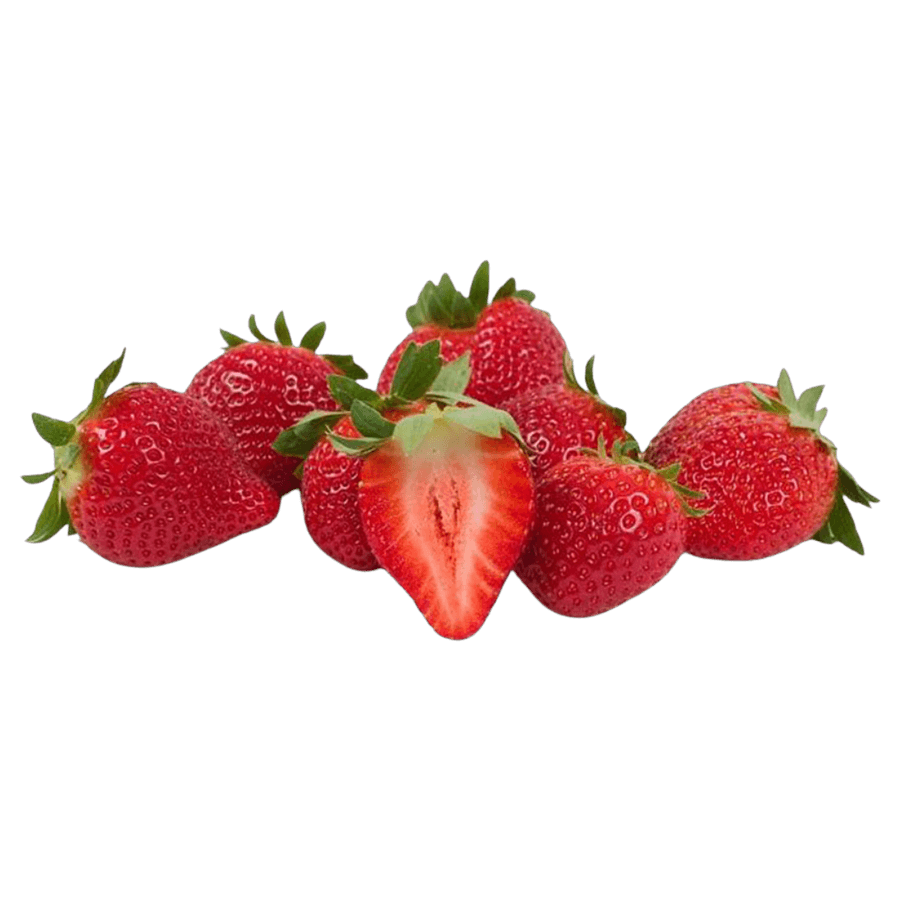
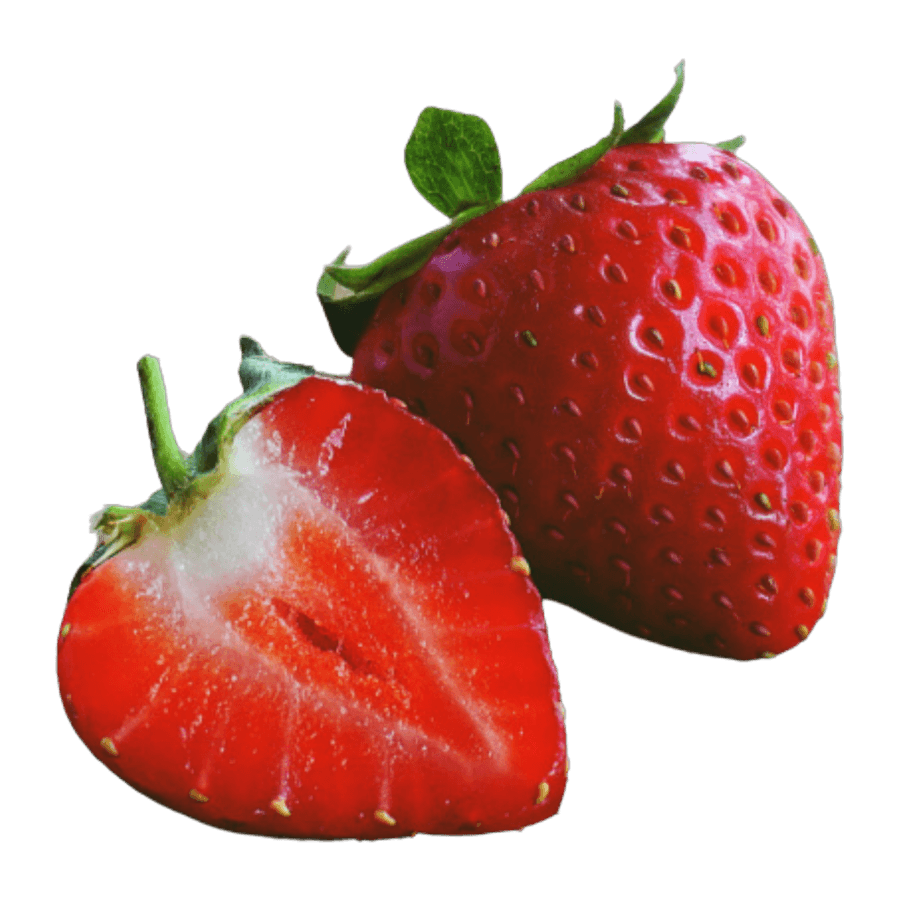
The fruit is distinctly sweeter than the shipping varieties, with high sugar and vitamin C and noticeably less acid than ‘Selva’ or ‘Oso Grande’. The trade-off is softness. It eats beautifully and it does not travel.
In the Indian belt
Sweet Charlie earns its place at the two ends of the season and at the farm gate. Early fruit reaches a market with nothing else on it, and the price then is the best you will see all year.
Plan its destination before you plant it. Sold locally, direct, or into pulp and processing, it works. Loaded onto a truck for an overnight run to a distant market, it will arrive a grade down — and the grade is where your realisation lives.
Other varieties