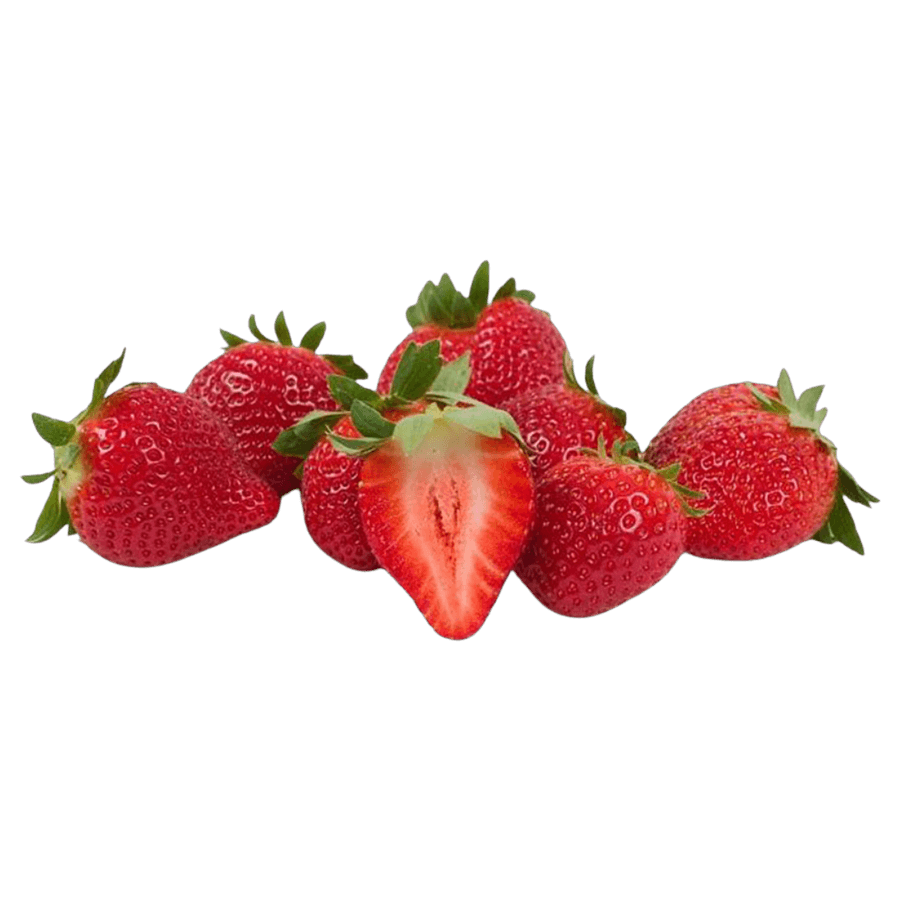
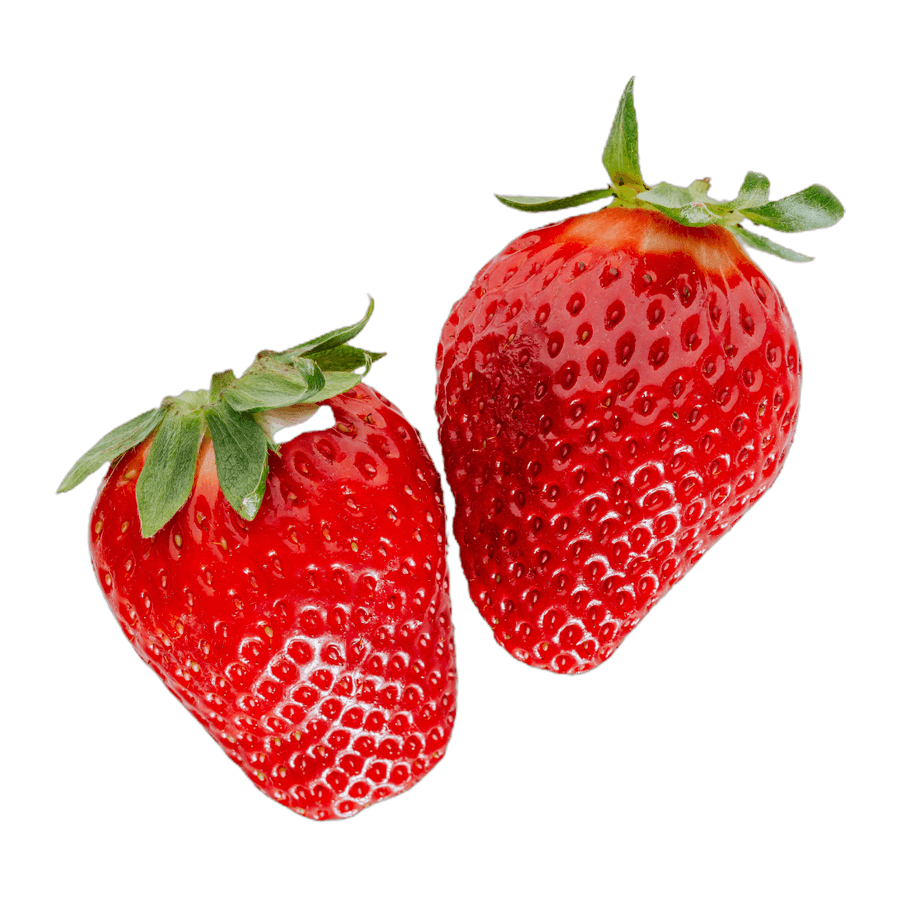
Chandler
A 1983 Californian release that reached India early and stayed. Its runner production is the quiet reason it spread — growers could multiply their own.
The old standard
Stand-in image · not Chandler
At a glance
- Bred by
- University of California (Davis programme)
- Parentage
- ‘Douglas’ × Cal 72.361-105, crossed 1977
- First fruited
- Wolfskill Experimental Orchards, Davis, 1979
- Released
- 1983 · US Plant Patent PP5262
- Flowering type
- Short-day
- Habit
- Semi-erect, similar in size to ‘Tioga’
- Runner production
- Excellent in nursery plantings — better than ‘Tioga’
Where it came from
Chandler came from a cross of ‘Douglas’ with the selection Cal 72.361-105 made in 1977. It first fruited at the University of California's Wolfskill Experimental Orchards near Davis in 1979 as Cal 77.32-103, and was released in 1983.
It arrived a decade before Camarosa, and for much of that decade it was what a commercial Indian planting meant. Camarosa eventually displaced it on firmness, but Chandler never disappeared.
How it behaves
It fruits early and performed well in both winter and summer plantings in Californian trials. Fruit is much firmer than ‘Douglas’, its seed parent — the same generational step Camarosa would later take again.
The trait that matters most commercially is the least glamorous: runner production in nursery plantings is excellent, better than ‘Tioga’. A cultivar that multiplies readily is a cultivar a grower can propagate rather than buy.
In the Indian belt
Chandler is the cultivar most often named when Indian growers talk about how the crop started here, and it is still in the ground across the belt. Where you find it, ask why it was chosen — often the answer is that the planting material came from the farm next door rather than from a nursery invoice.
That is its real argument. Planting material is roughly half the cost of establishing an acre, and a freely running cultivar changes that arithmetic. The counterweight is virus load, which accumulates across self-propagated generations, so refresh from certified stock rather than running the same line indefinitely.
Other varieties